
Defining Institutional Trust In Tokenized Markets
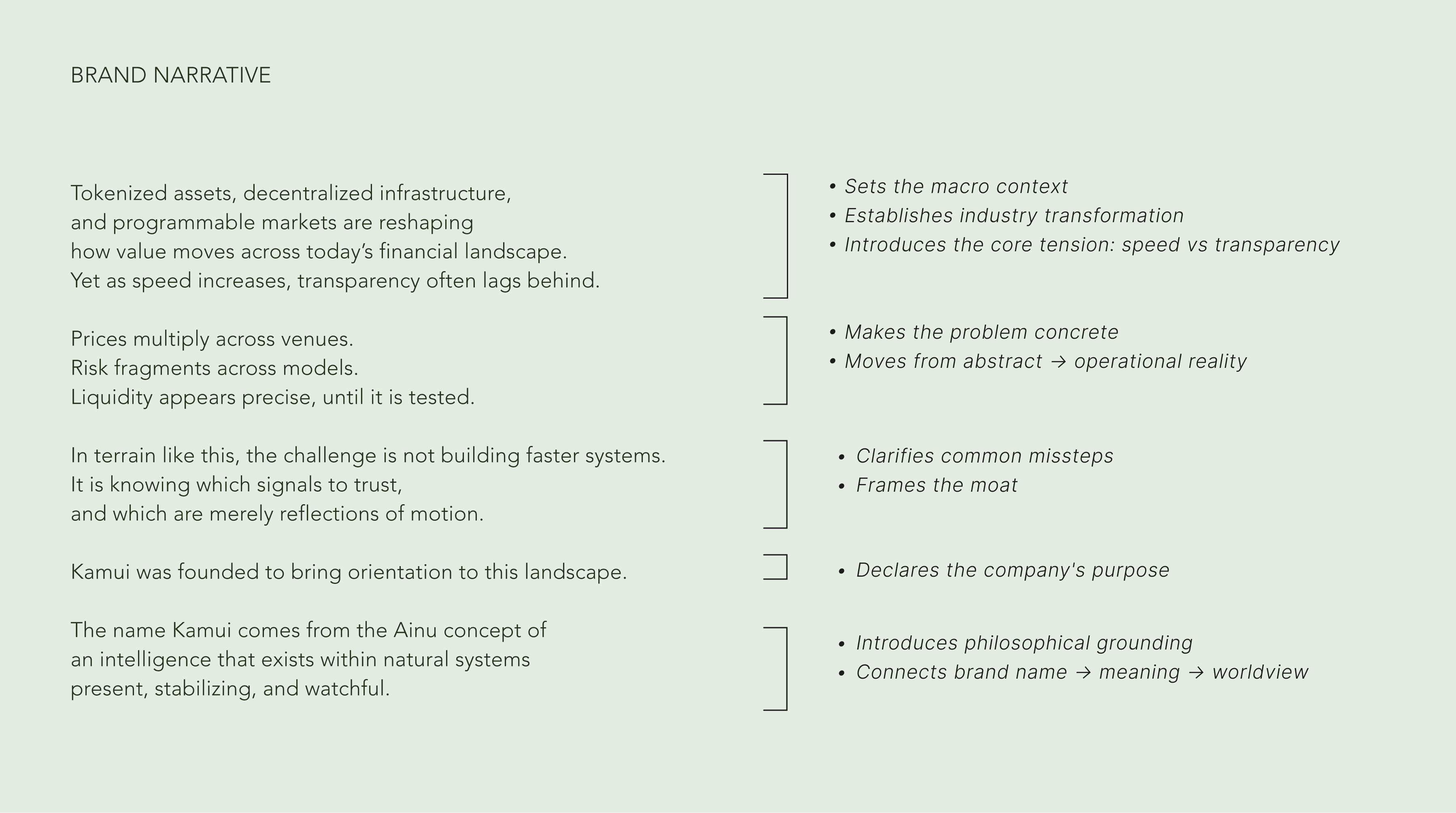
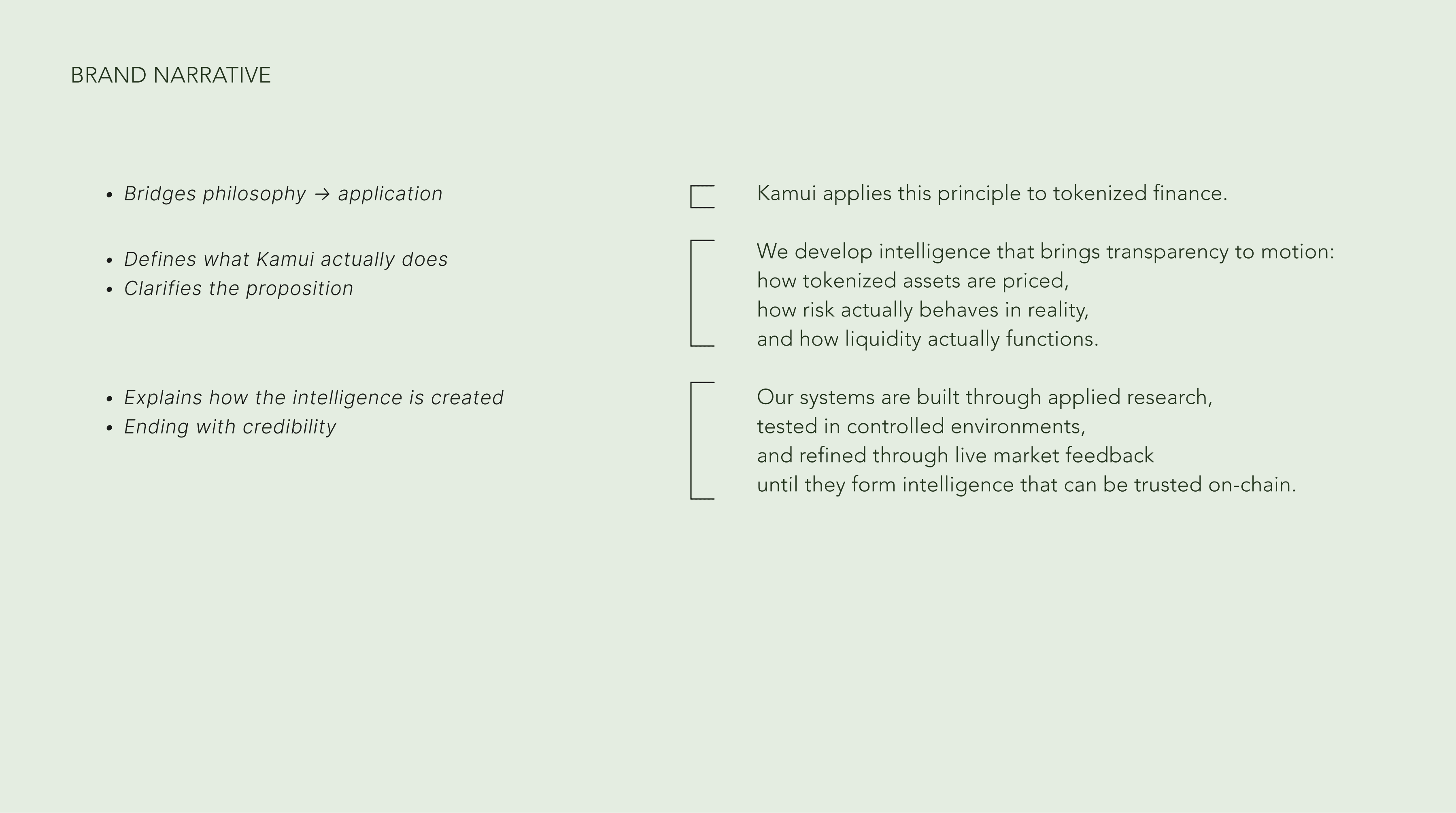
BRAND NARRATIVE
POSITIONING
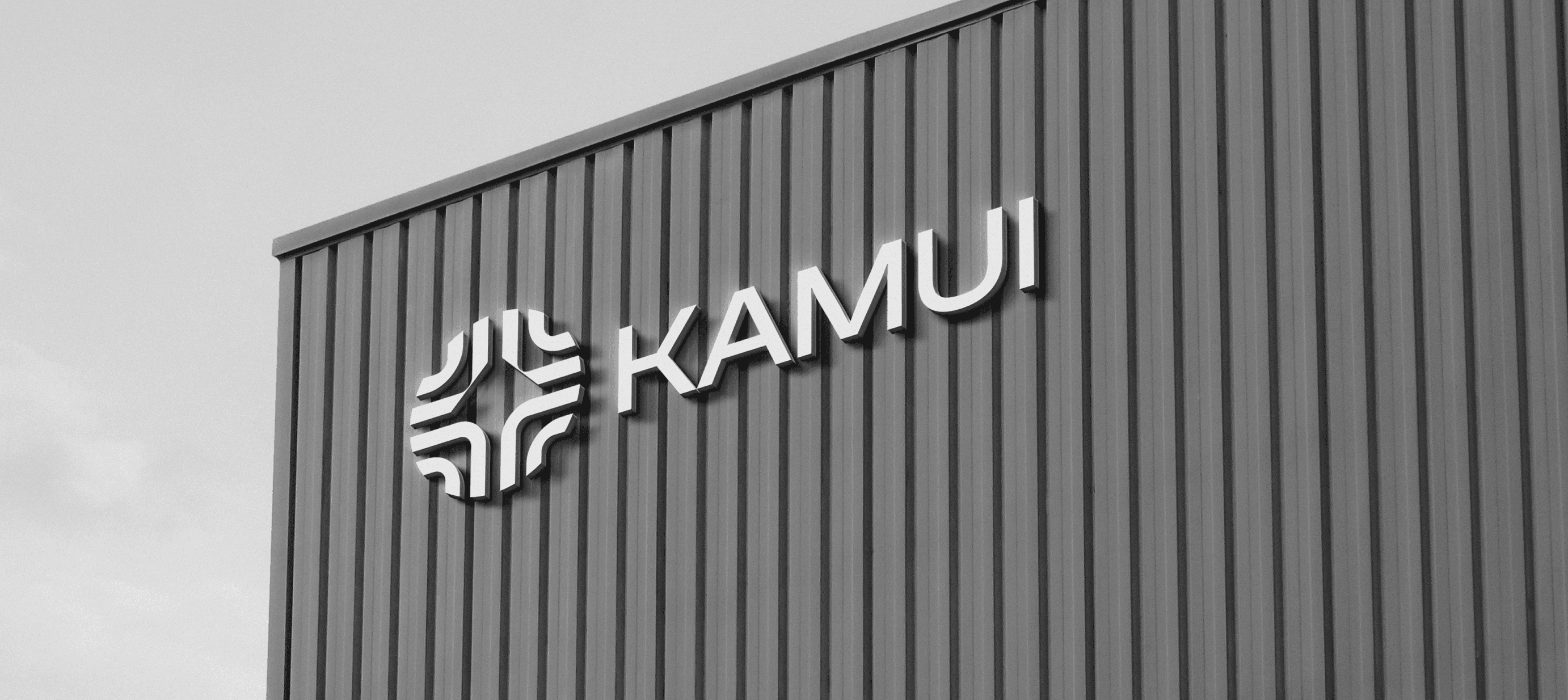
LOGO & IDENTITY SYSTEM
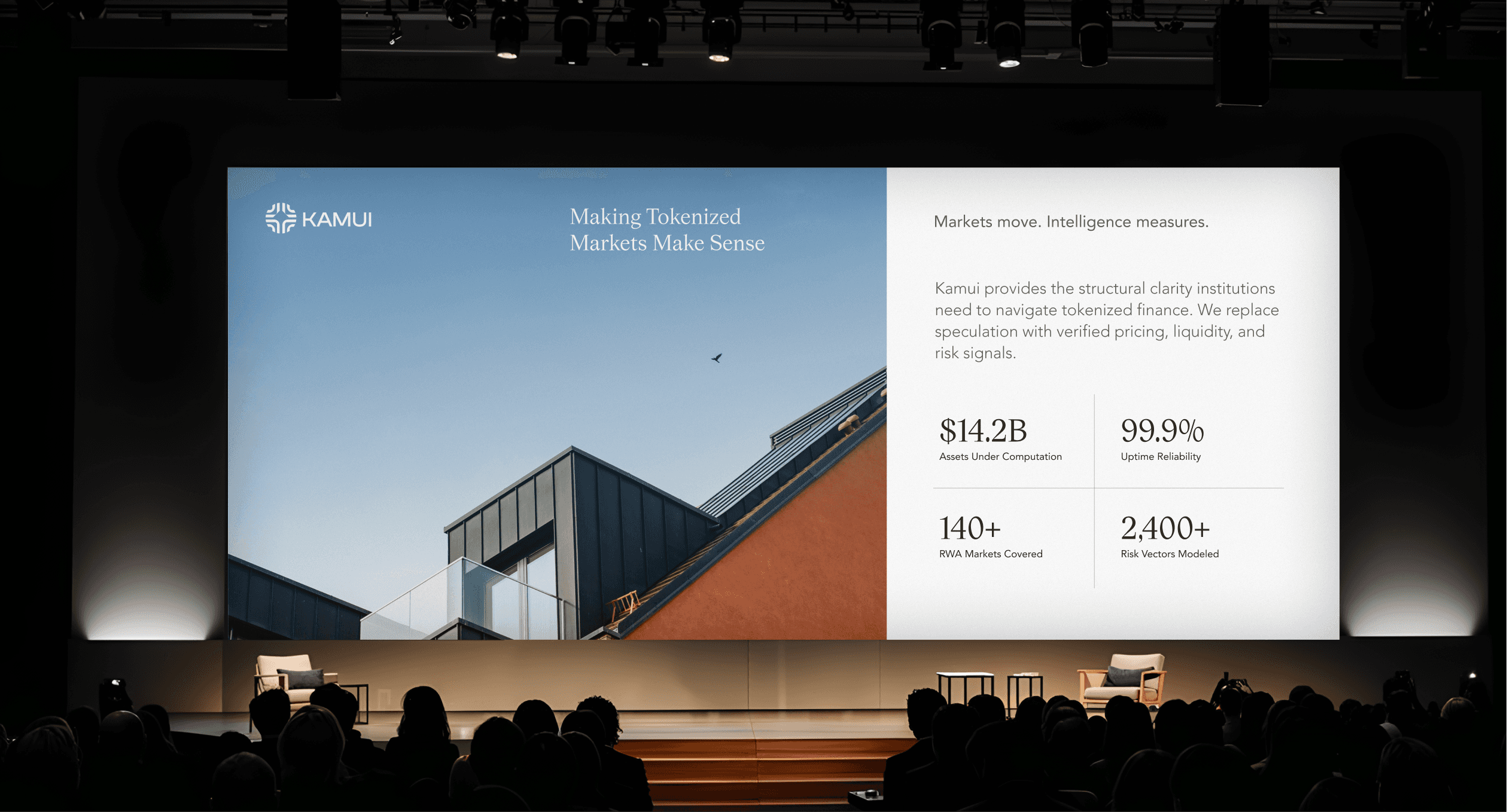
Kamui is a tokenized finance platform building infrastructure for institutional-grade assets. With a major Dubai expo approaching, the company needed to show up as an institution, not a startup experiment.
The challenge was not simply to design a logo, but to bring clarity to an evolving vision. In two weeks, we translated that narrative into a system built to communicate credibility, precision, and long-term thinking while remaining adaptable to a category still taking shape.
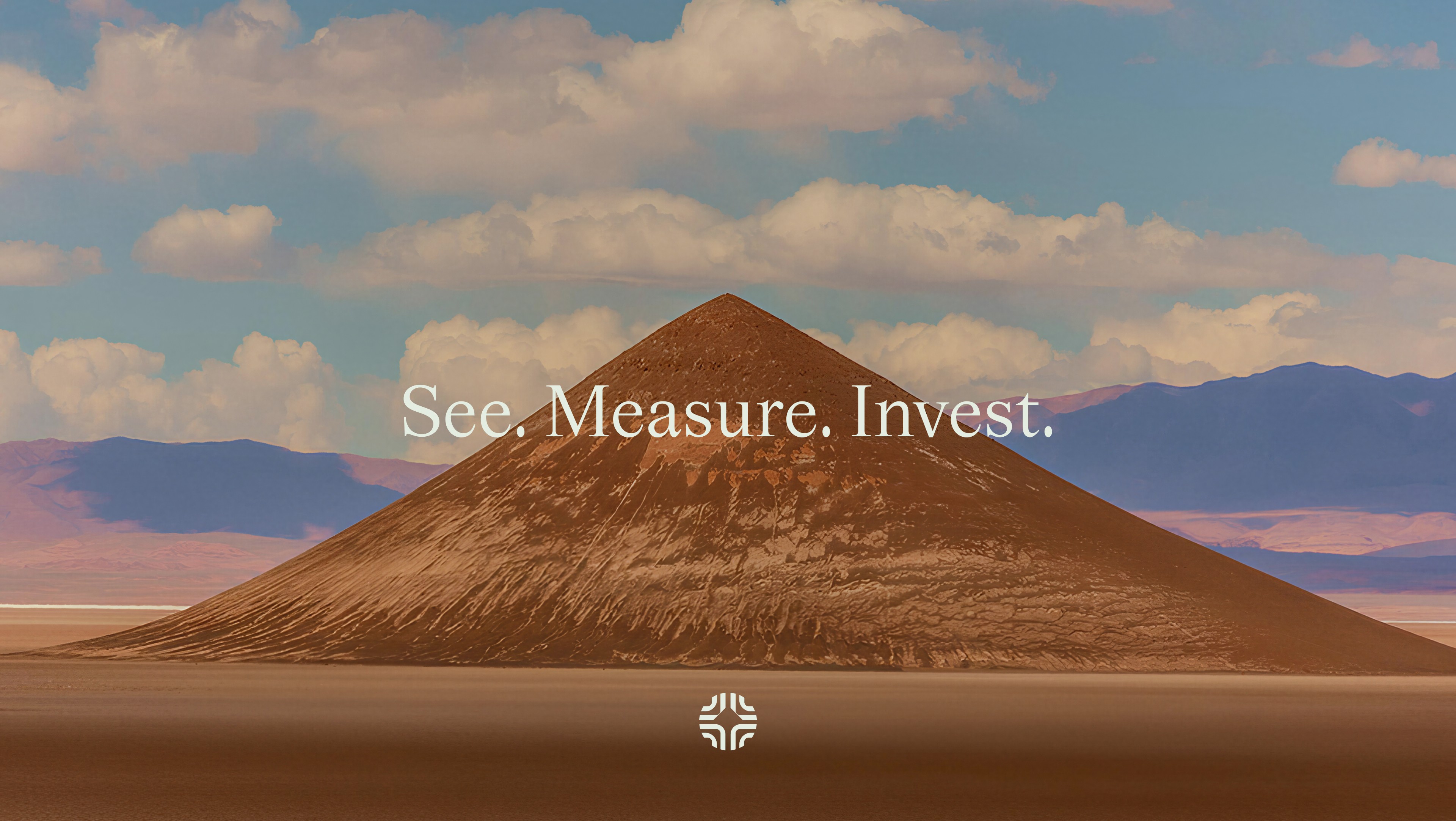
The Gap We Had To Close
Kamui knew what it was building. The product was clear. What was unclear was how it should stand.
Several narratives were in play, but none formed a credible position. One word kept returning: institutional. Not as style, but as a standard. That became the anchor. Before designing anything, we aligned on what Kamui had to represent.
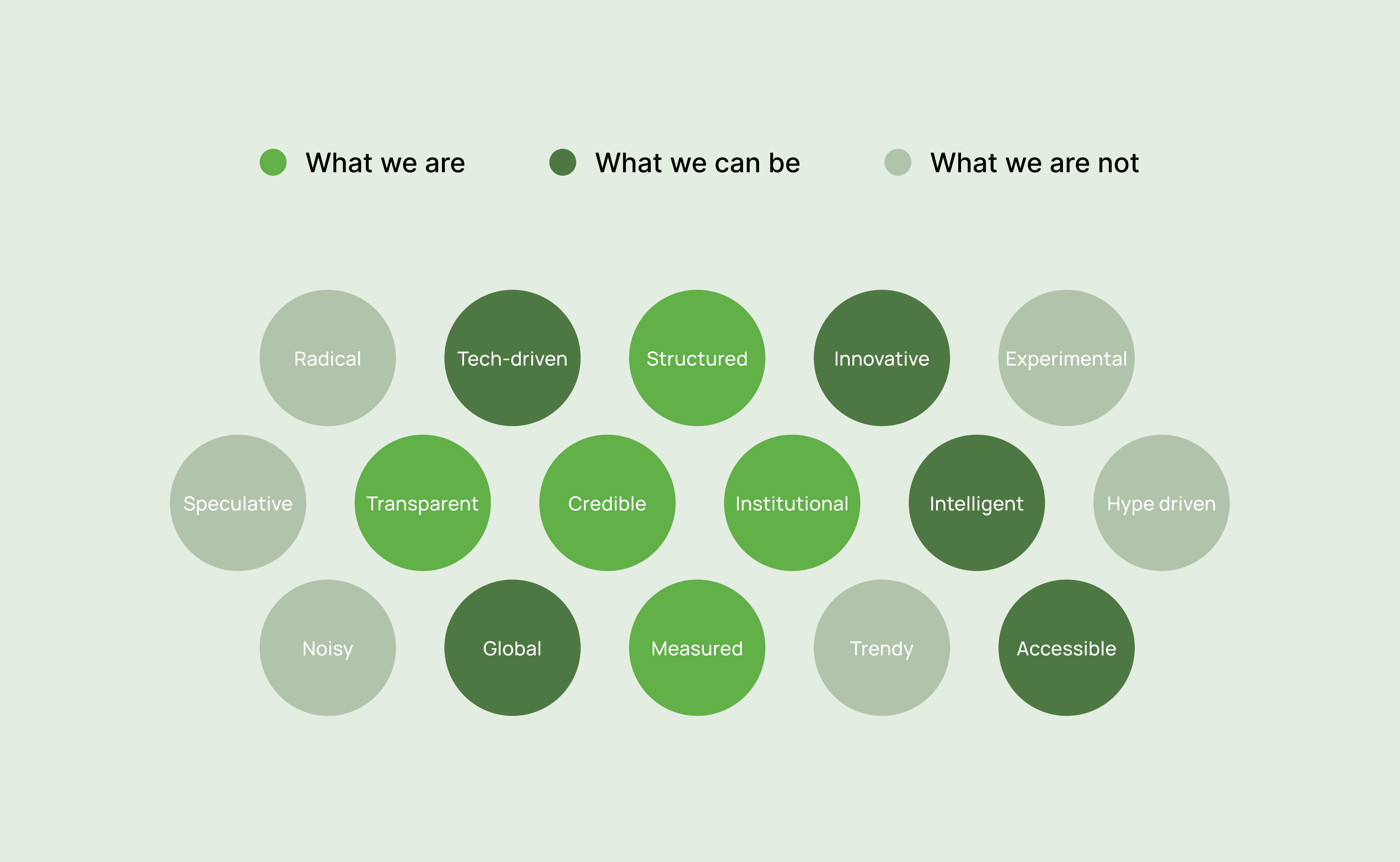
The word map became the mechanism we used to pressure test that anchor. We defined what Kamui must embody, what it could express, and what it should deliberately avoid. Only once that boundary was clear did we move into visual exploration.
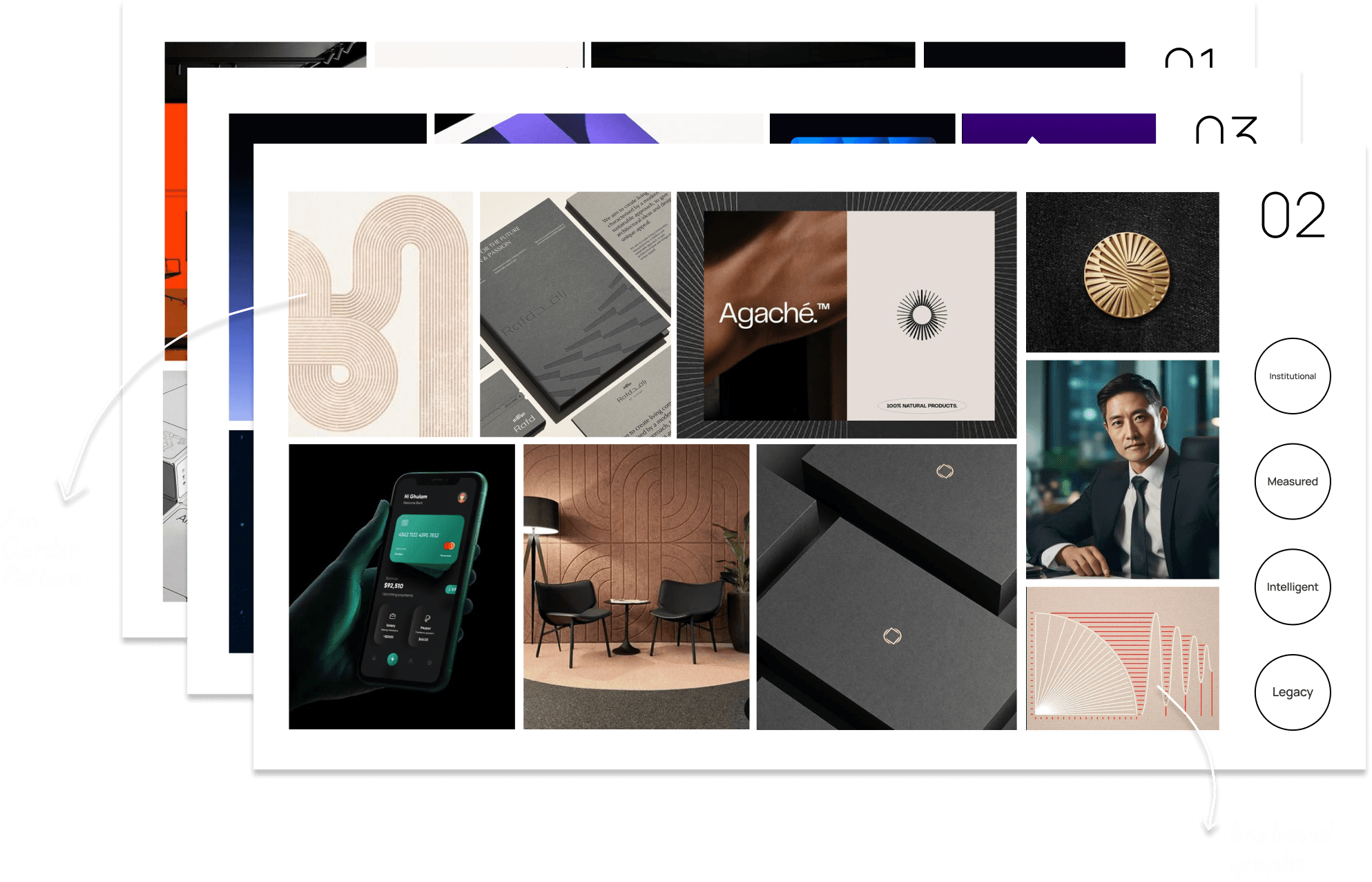
With the verbal framework as a base, we explored a small set of visual directions. Each interpreted institutional authority differently.
The 2nd direction stood out for its clarity, restraint, and structural confidence. Heritage and culture expressed through a modern lens
The Ainu Culture
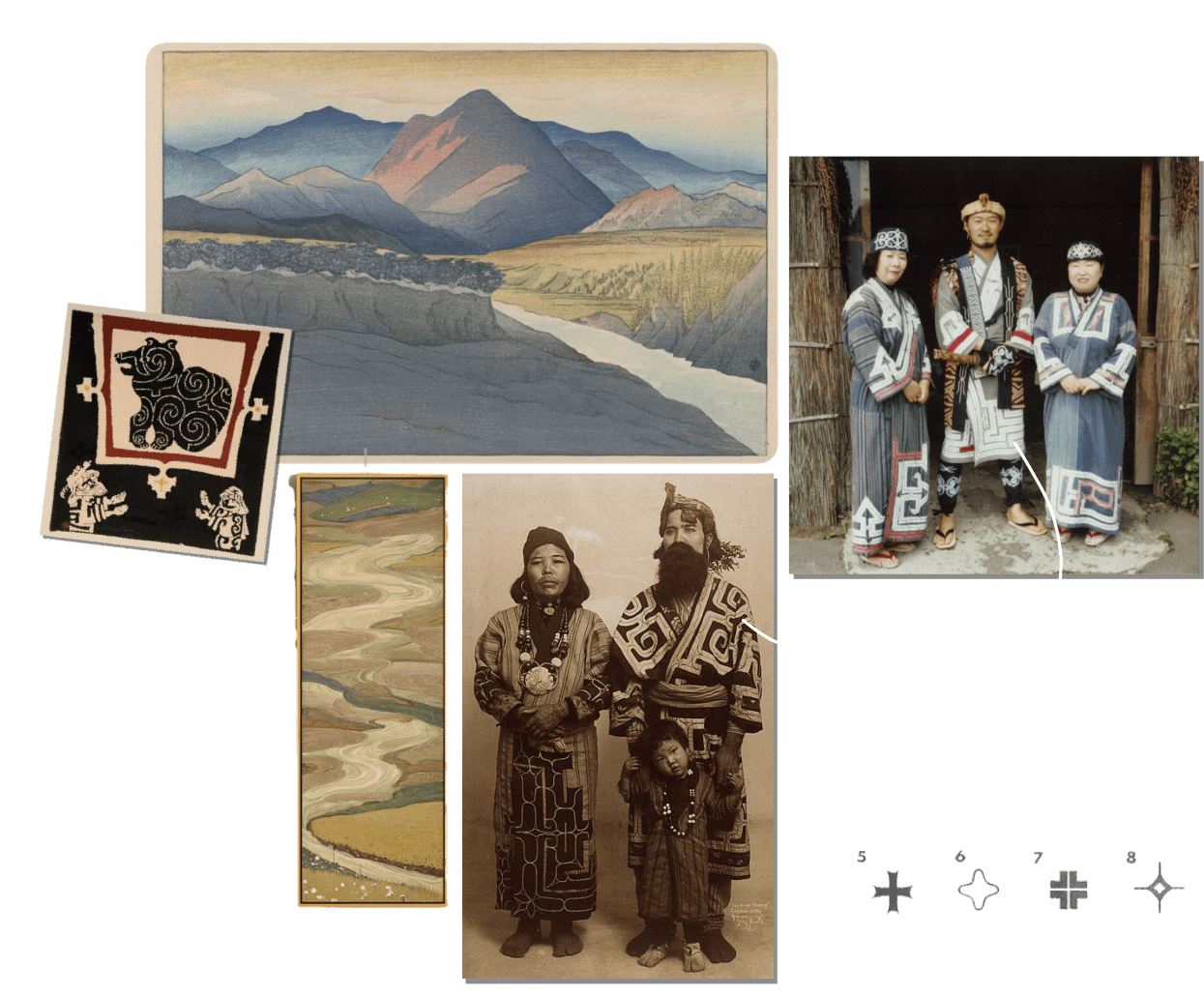
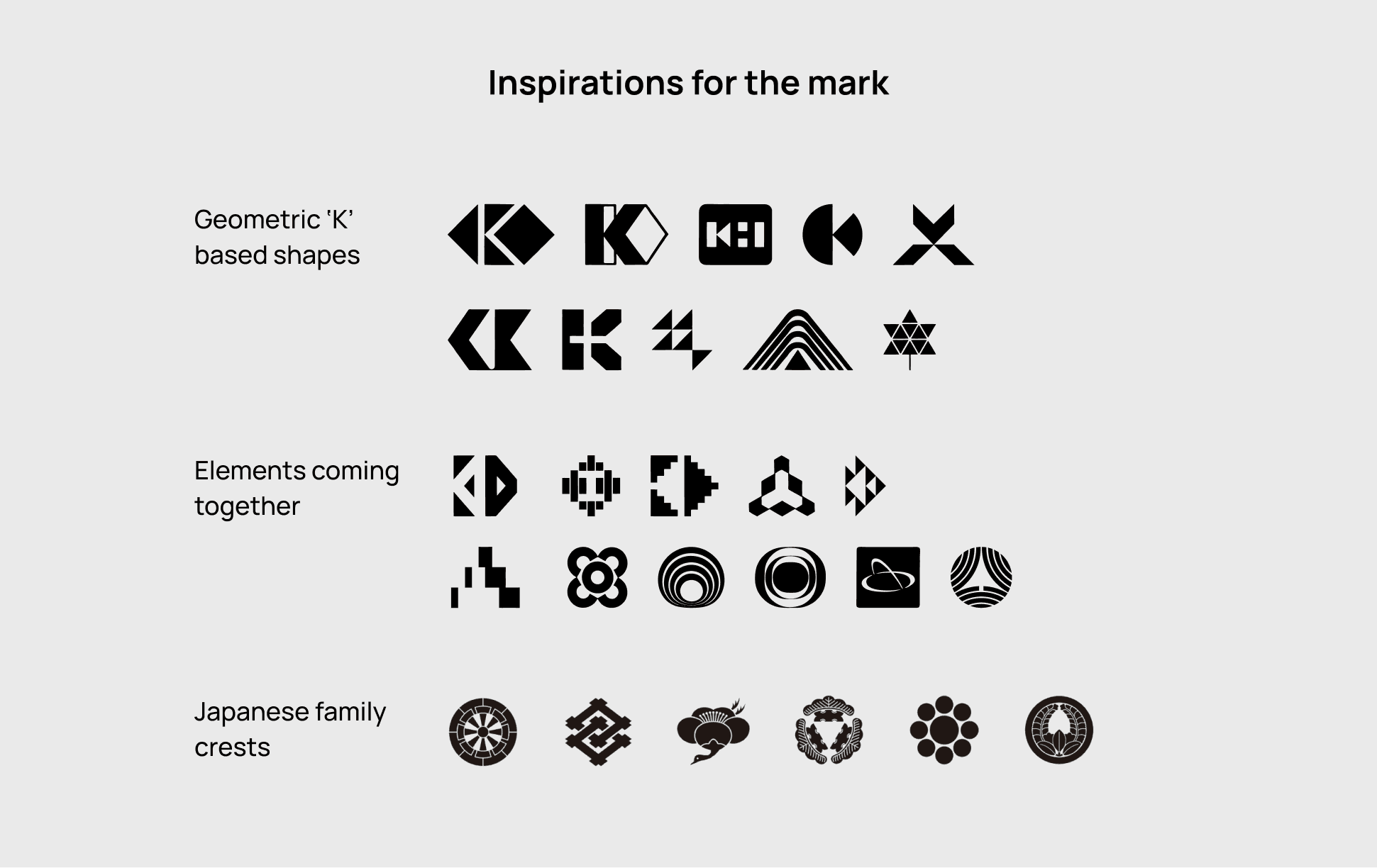
What started as a small graphical inspiration in the moodboard soon revealed a much deeper world of cultural nuance we could draw from. Enter Ainu culture.
The name Kamui itself comes from Ainu belief. It broadly refers to a spiritual presence or divine force that exists within natural elements such as mountains, rivers, animals, and forces of nature. In many ways, Kamui represents the idea that intelligence and power are embedded within the
natural world.
While this cultural layer was compelling, we were careful not to anchor the brand to a single literal interpretation of it. Our belief is that strong brand assets should remain flexible, solving the core communication needs while retaining optionality. Rather than embedding every reference directly into the mark, we focused on extracting visual ideas that could guide the system.
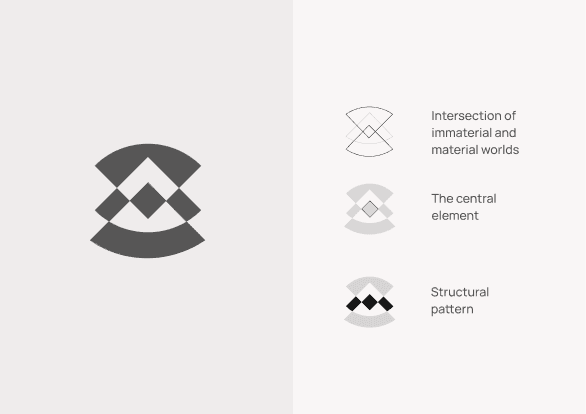
As we explored Ainu visual culture, a few elements stood out. Intricate maze like textile patterns, strong symmetrical structures, and the recurring symbolic presence of mountains, sometimes used to represent Kamui itself.
Finding The Mark
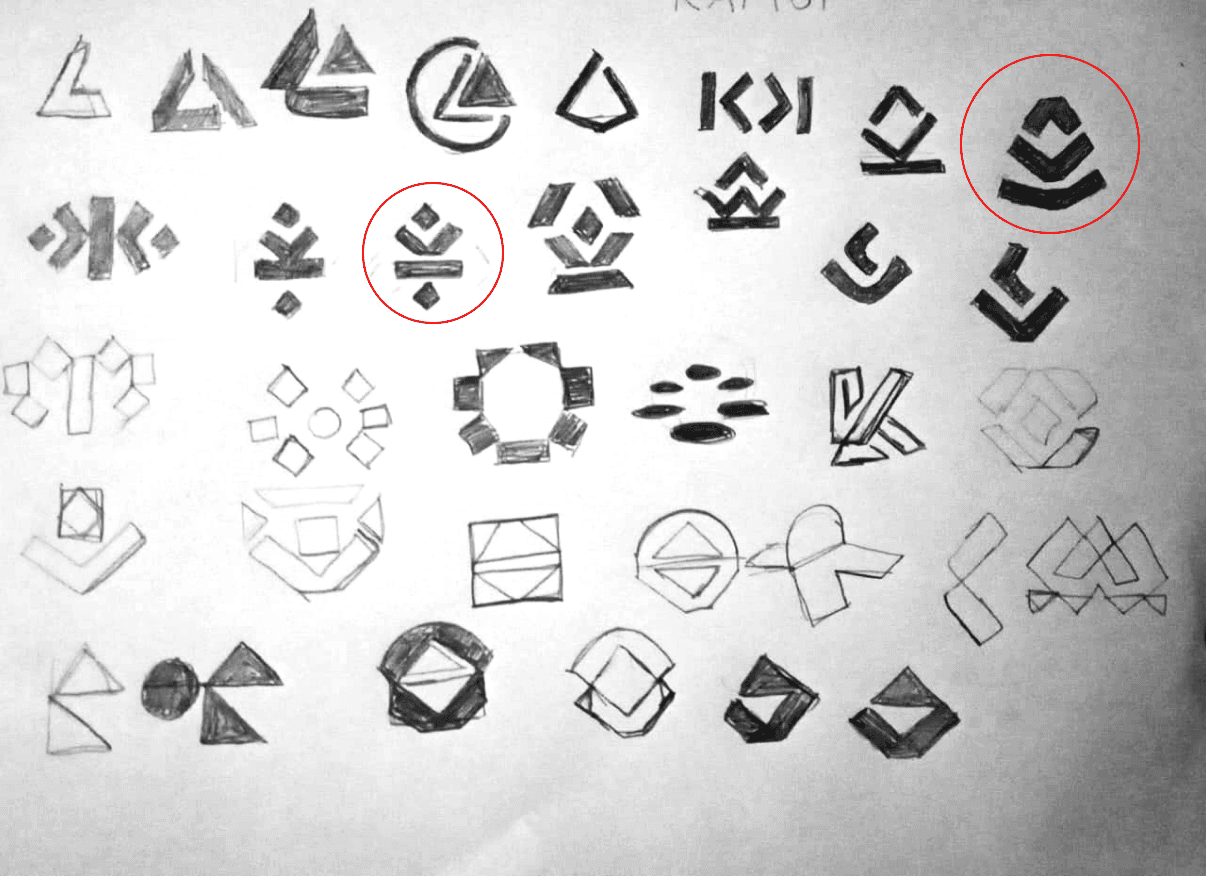
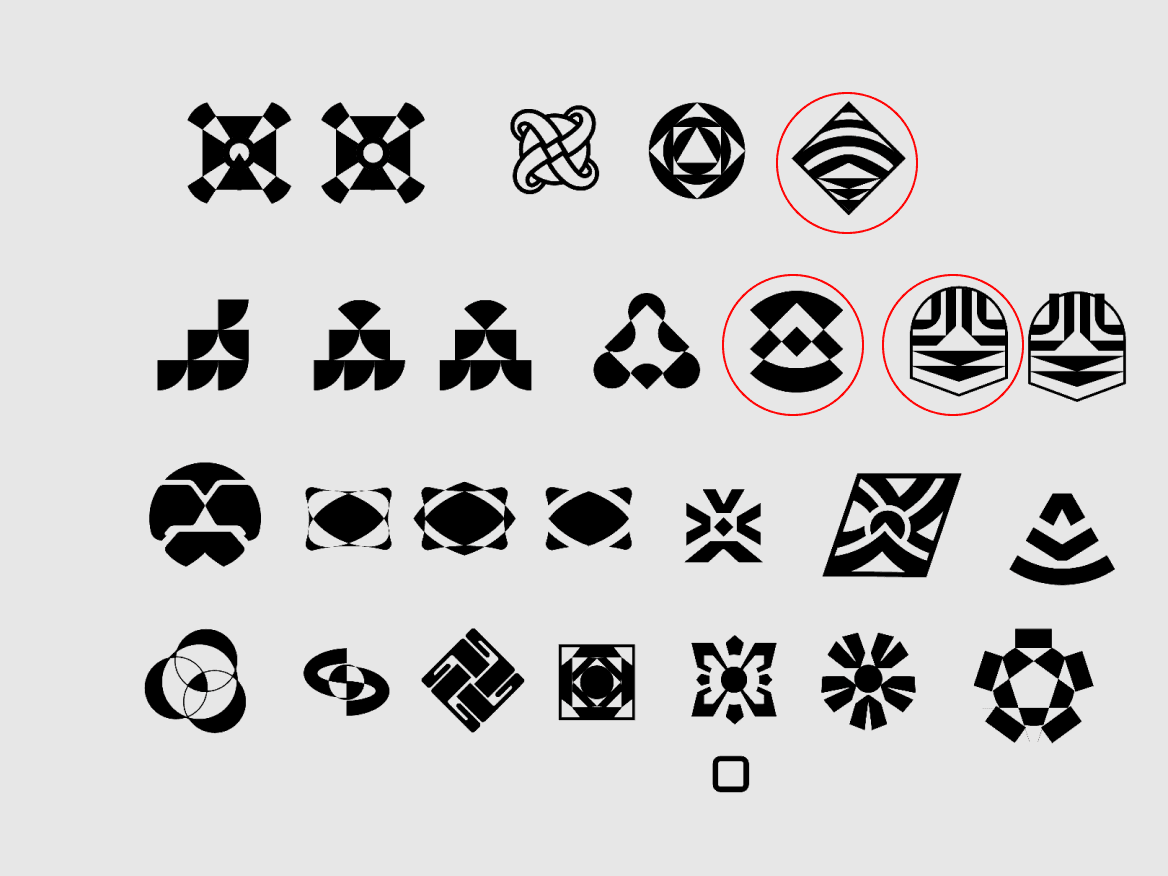
Our Explorations
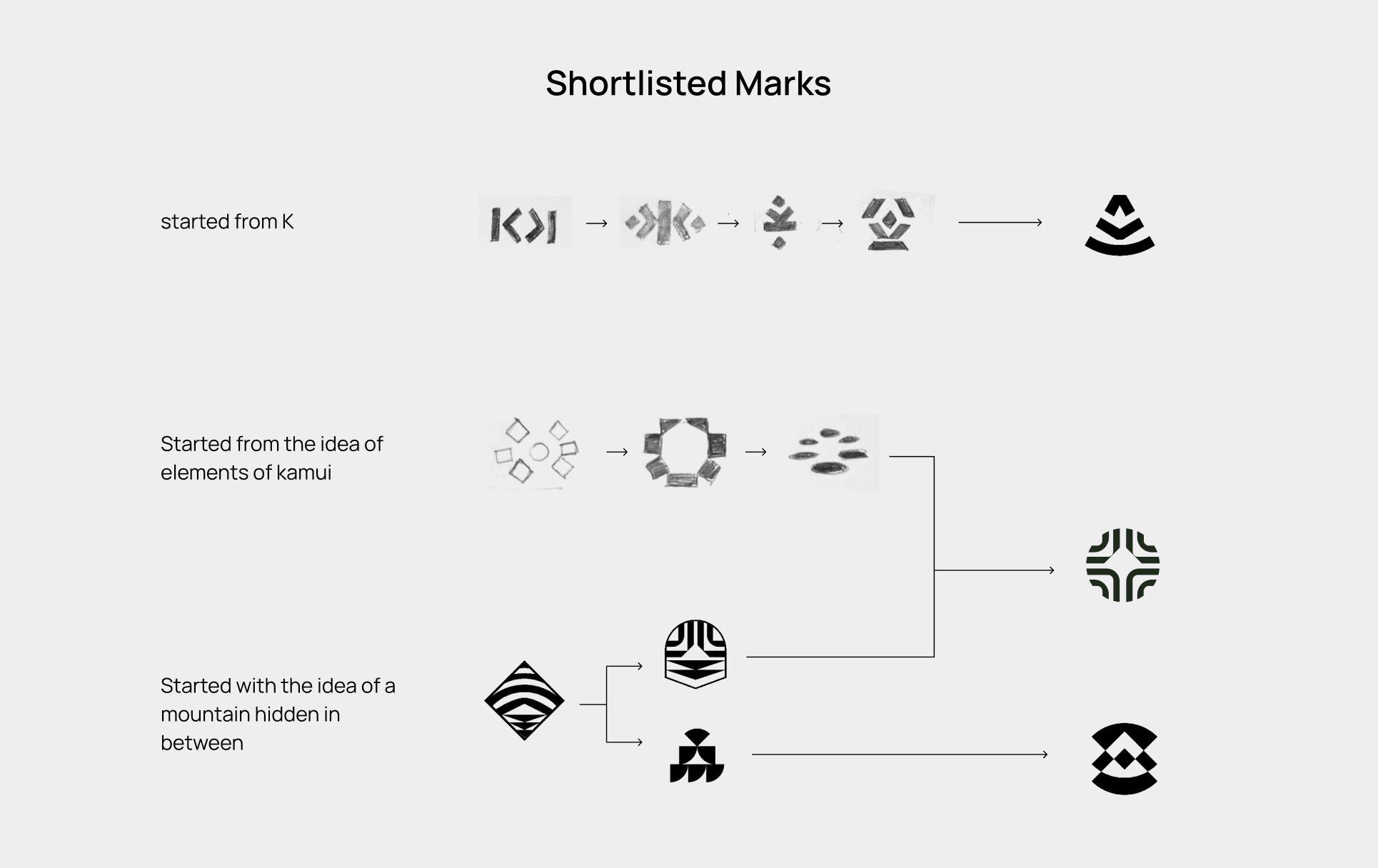
The Final Mark

Brand Narrative
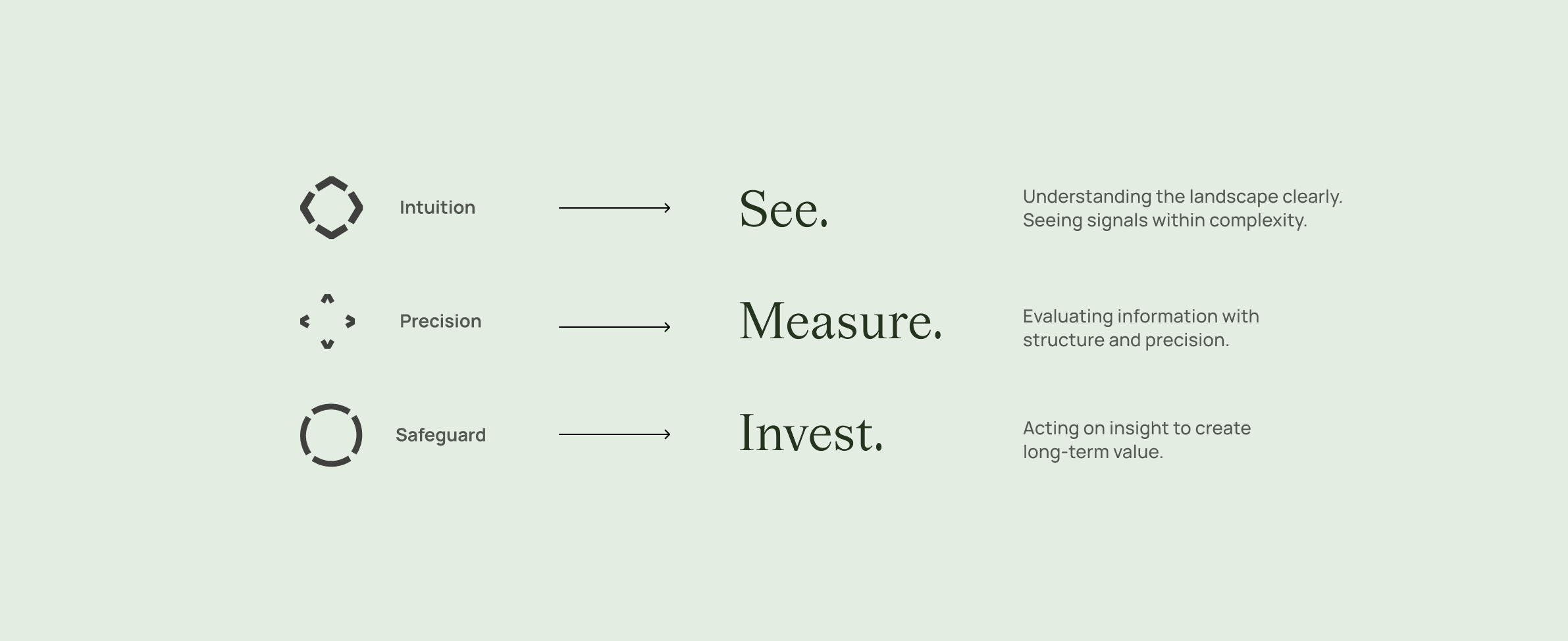
From there we started putting the thinking into clearer words. The proposition and the brand narrative were written to articulate what Kamui actually stands for and how it operates in this new market.
For us, the brand narrative becomes a sort of reference point for the company. Something the team can keep coming back to when making decisions about communication, product, or positioning. It keeps the brand grounded in the same core idea.
Colour Palette
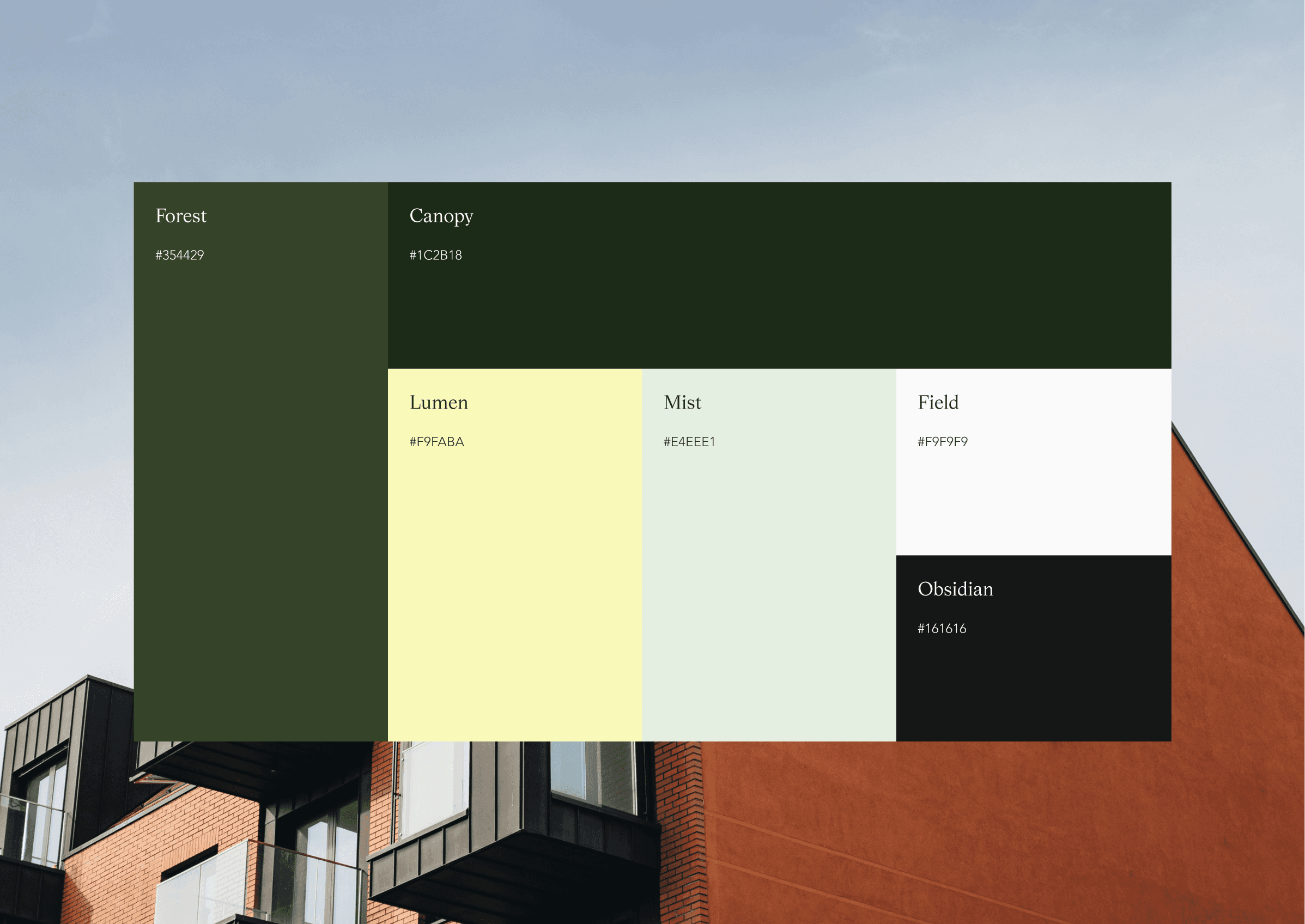
With the narrative in place, we began translating these ideas into the visual system. Starting with the color palette.
Typography
Iconography
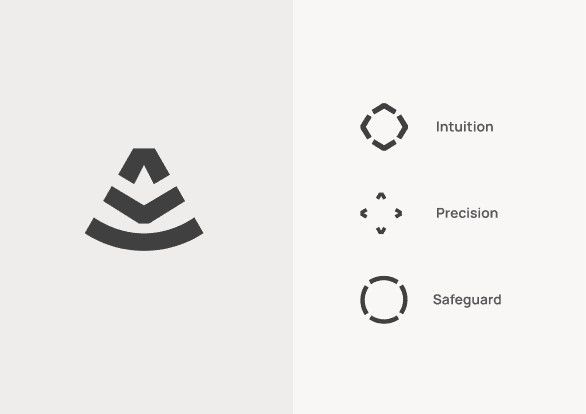
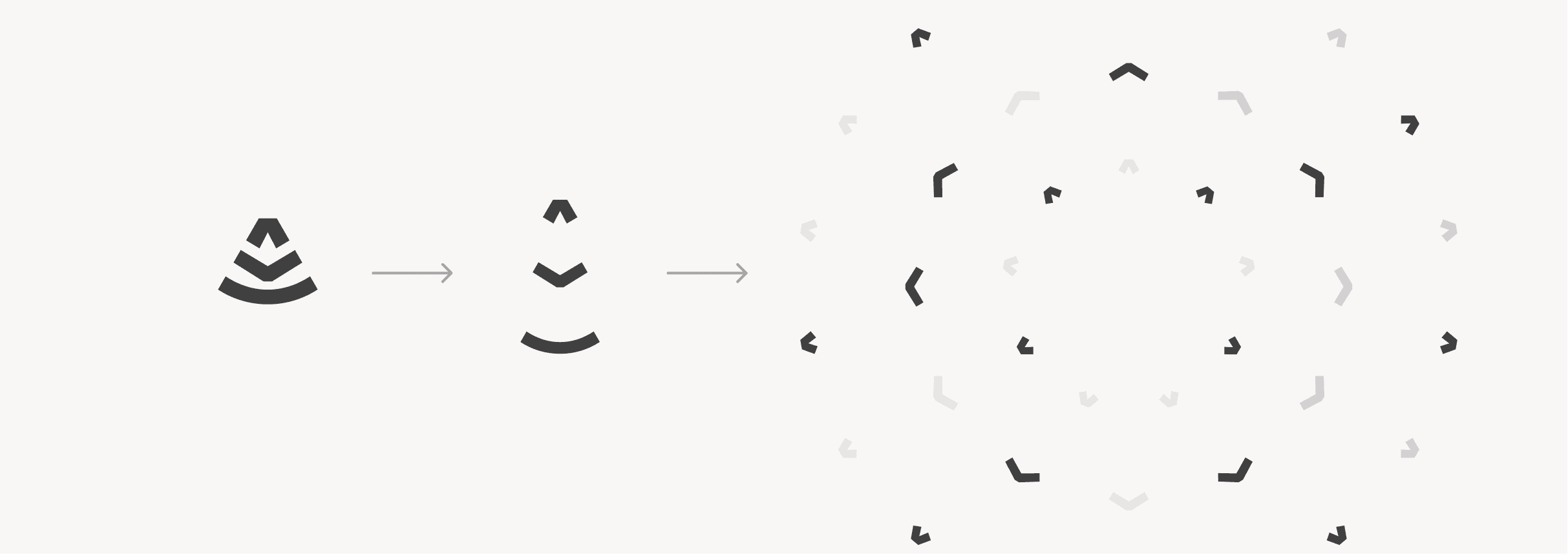
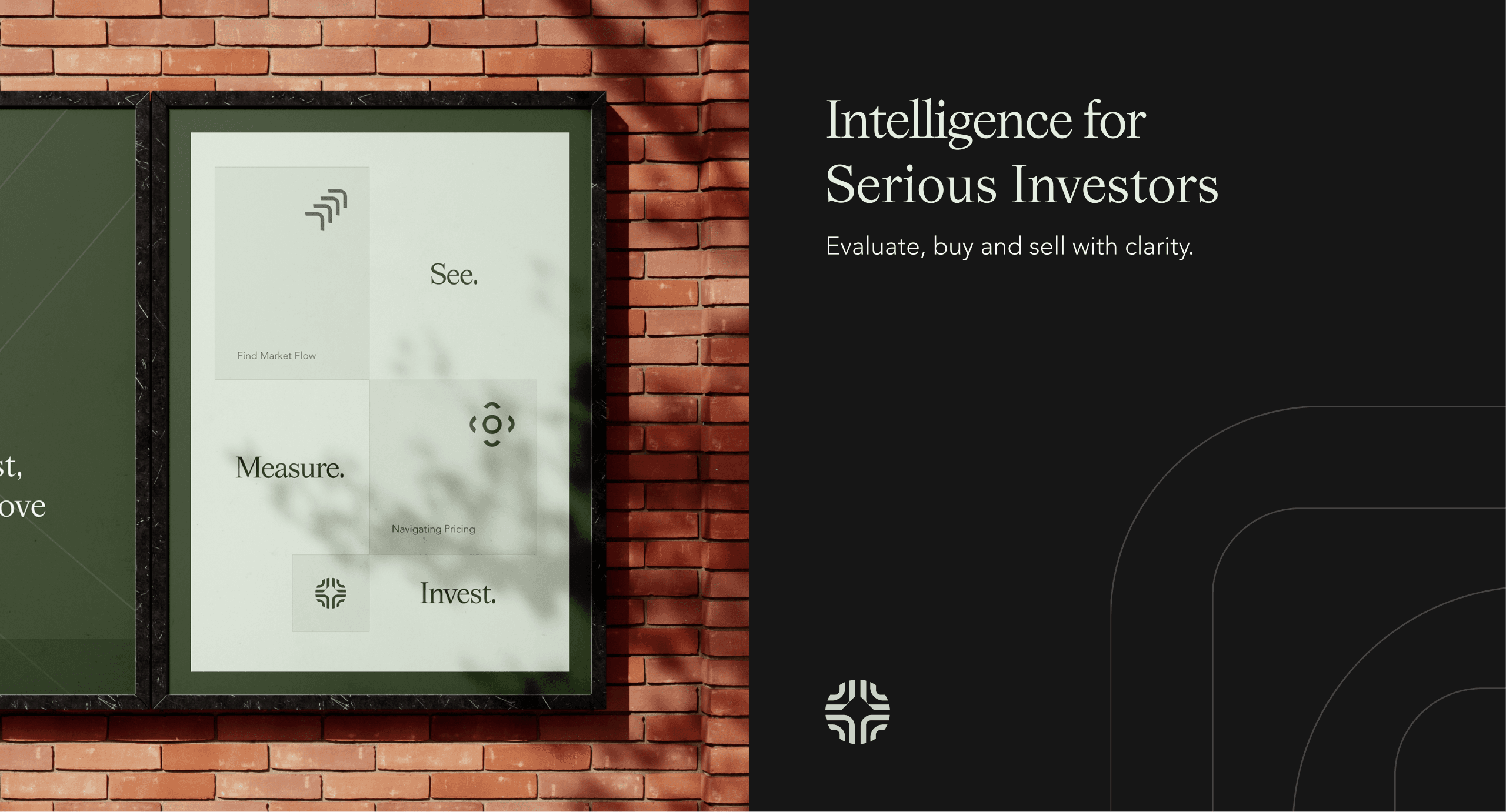
As the product grows, an icon system becomes important for communicating concepts quickly and consistently across interfaces. By extracting and recombining structural elements from the logo, we created a set of symbols that feel native to the identity while allowing the visual language to expand as the brand grows.
The Final Identity
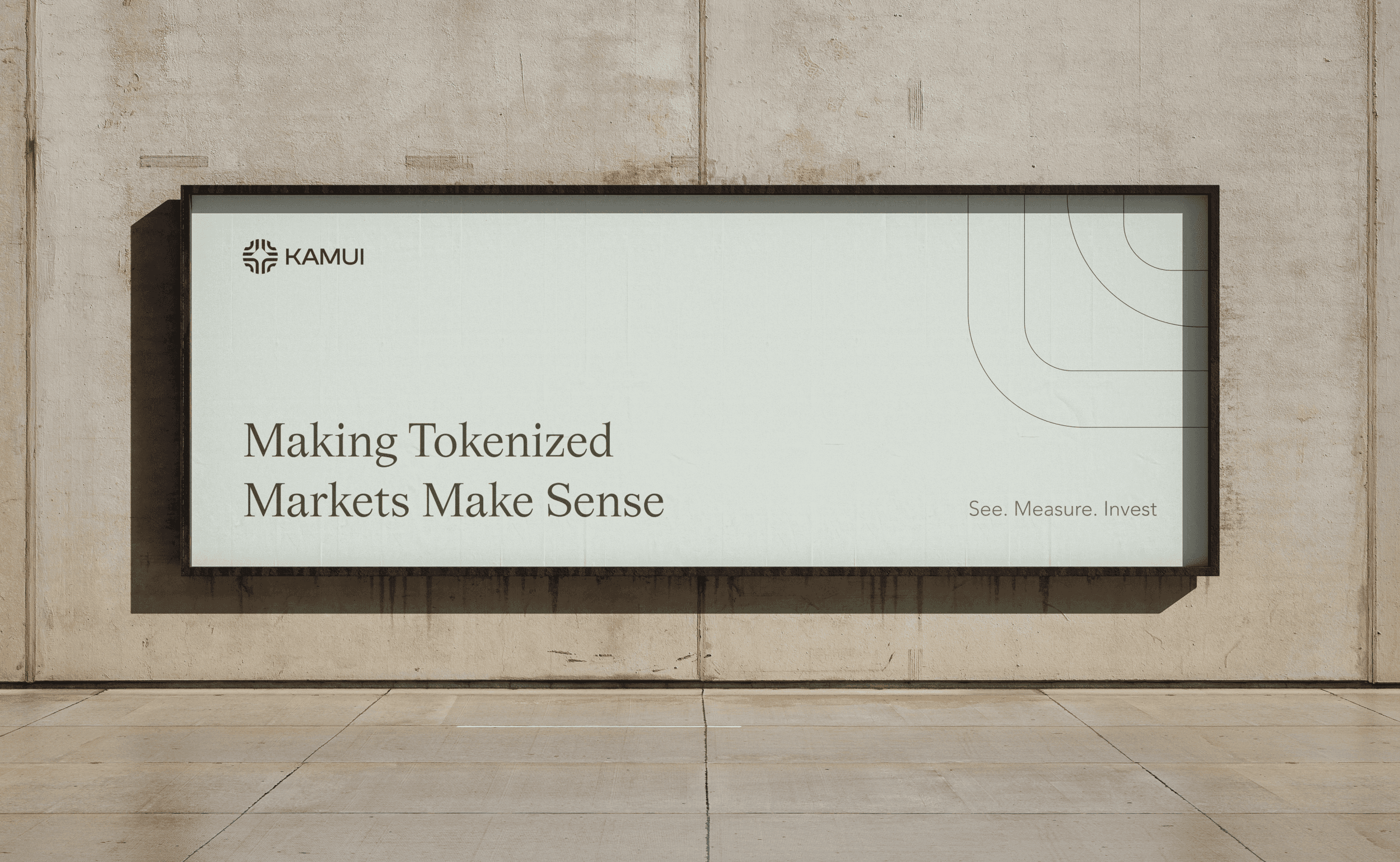
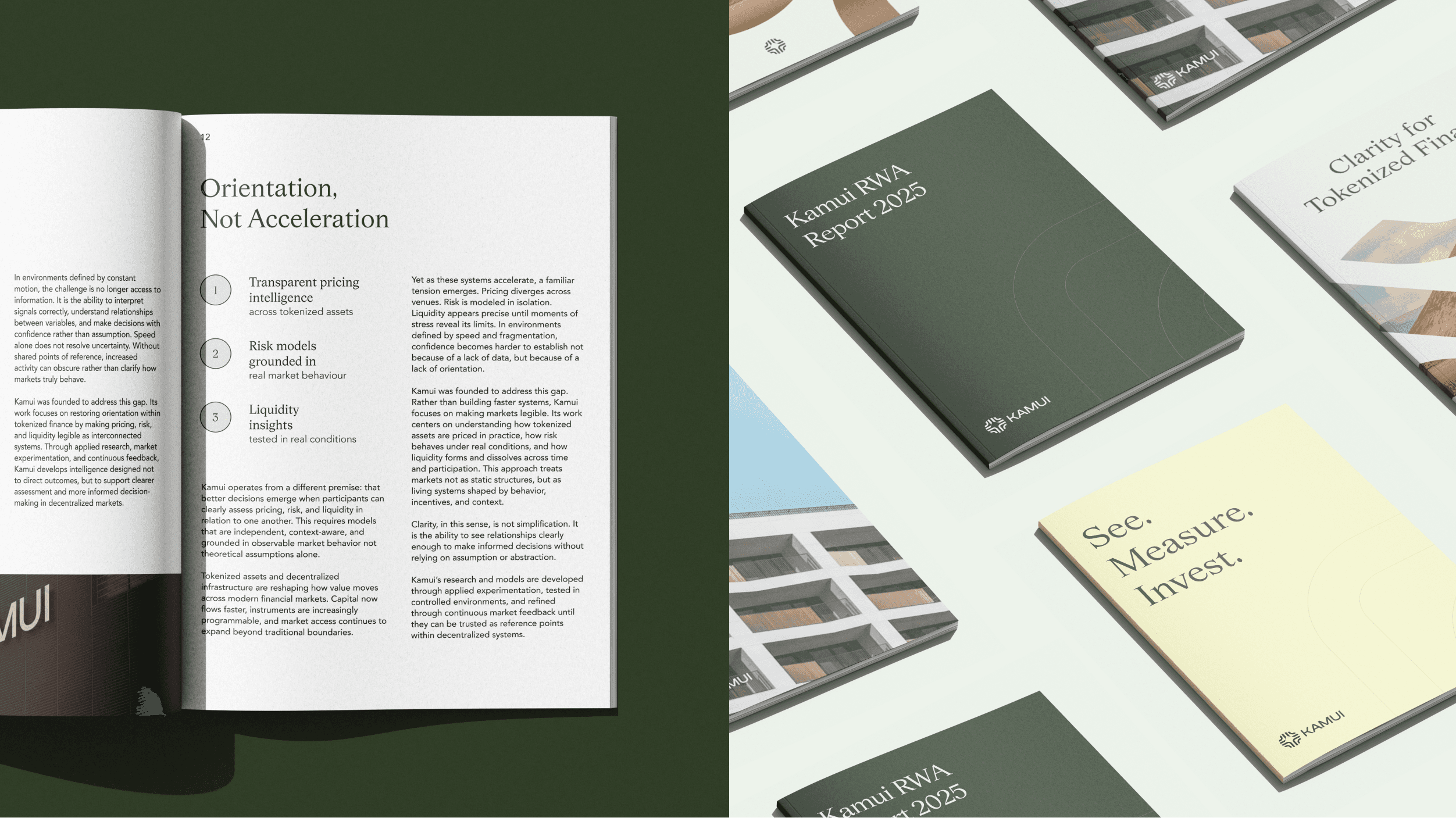
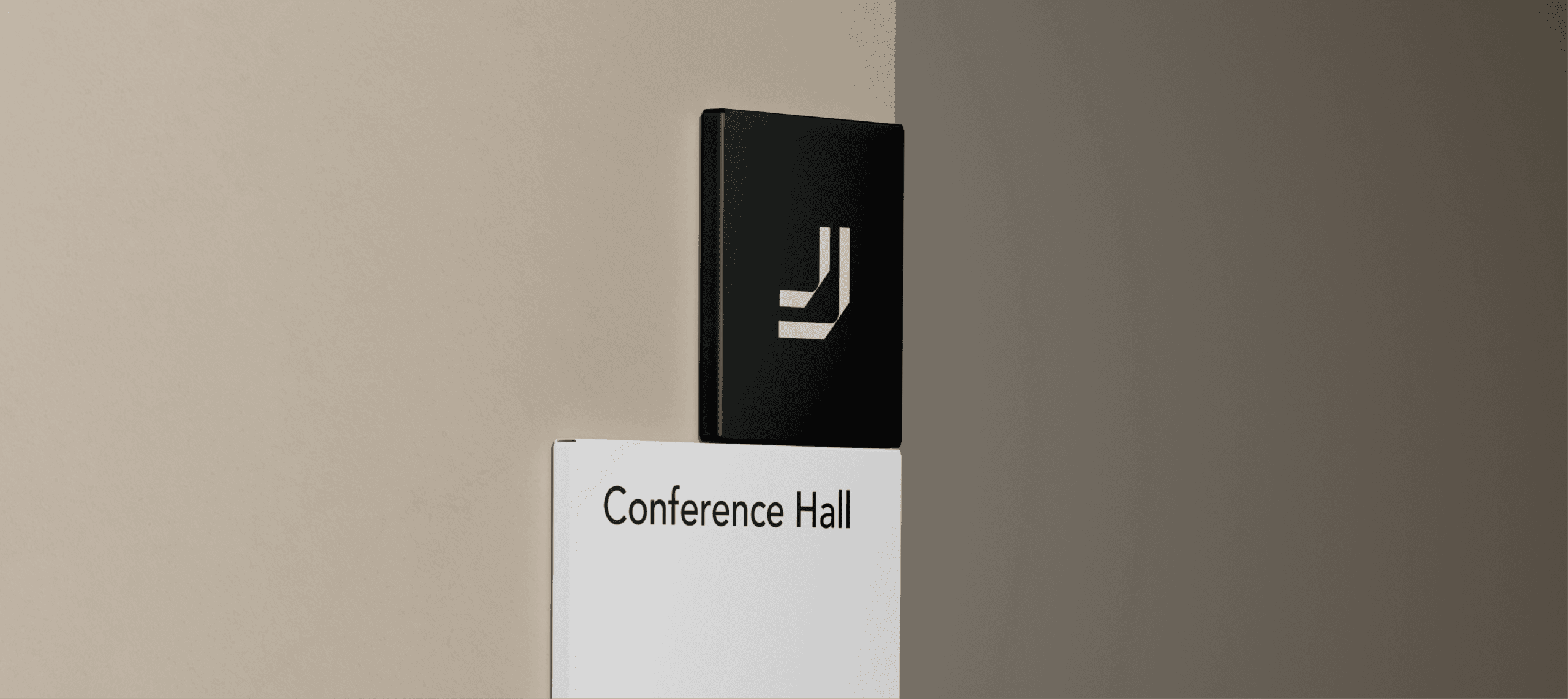
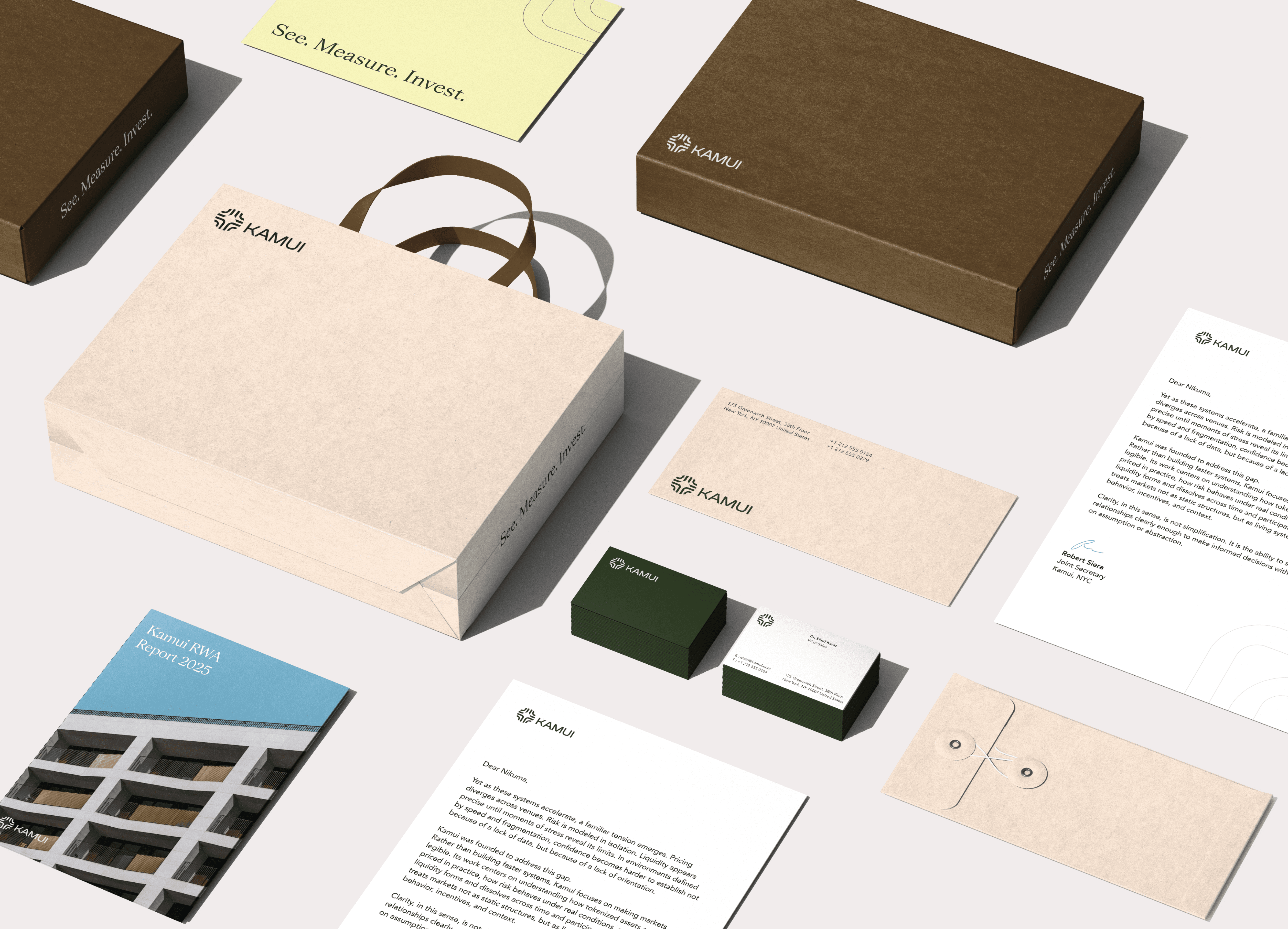
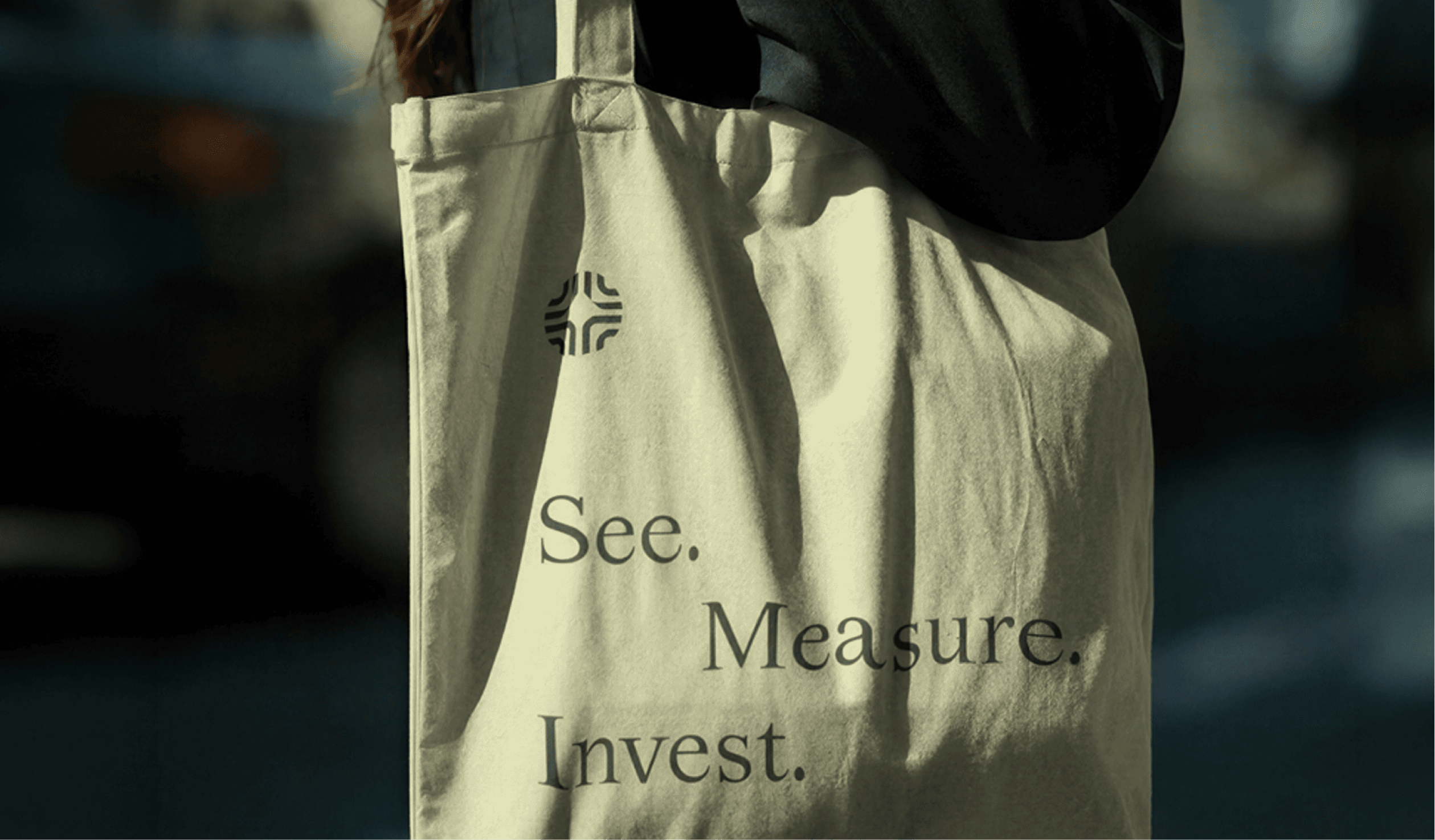
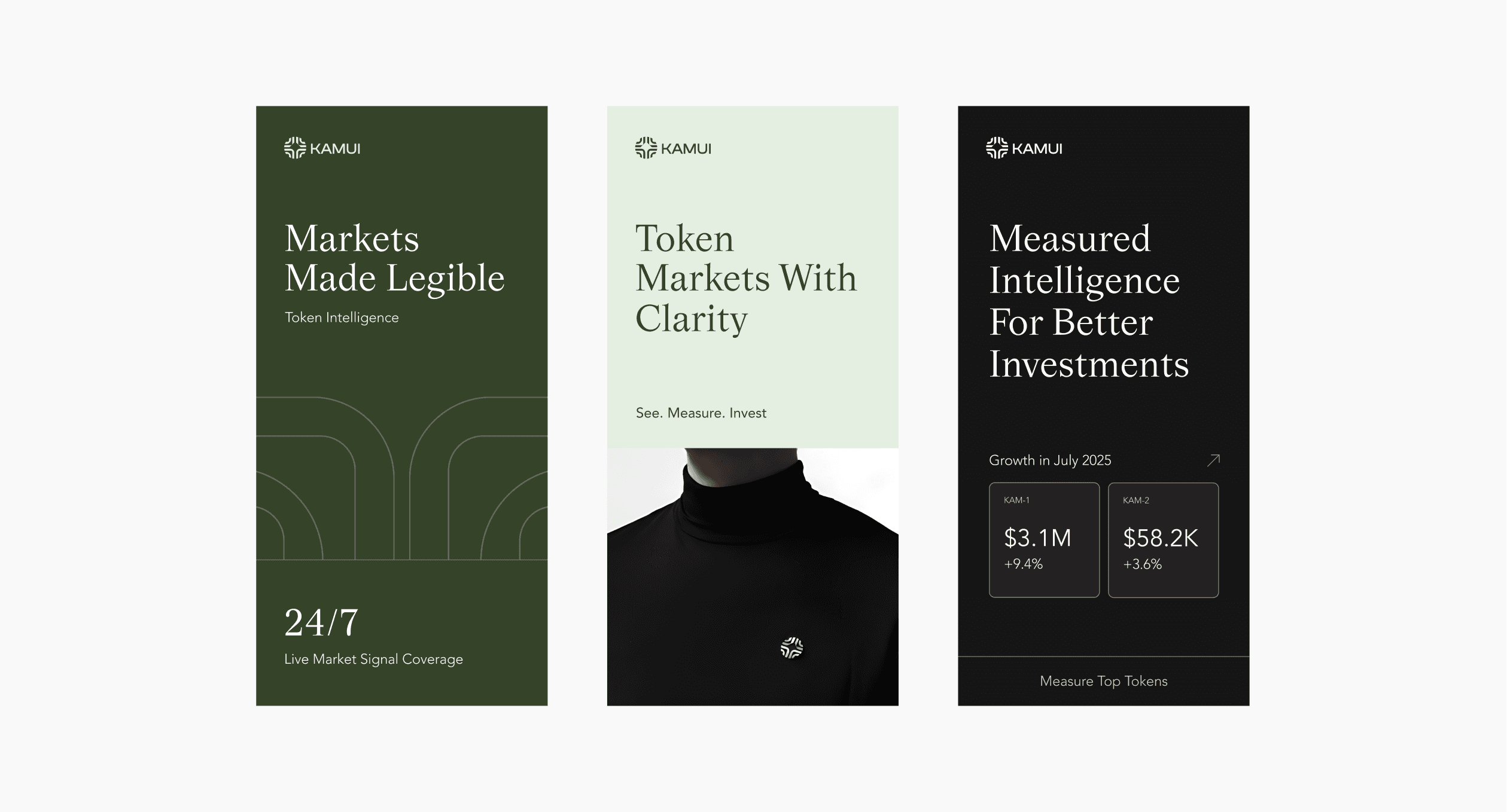
With the mark, typography, and visual system defined, the identity begins to take shape across product, communication, and brand environments.

Credits
Creative Direction : Shravan Gubbi
Designer : Amal Yesudas Antony